
Vietnam is known for its rich culture, diverse landscapes, and breathtaking natural beauty. Among the many questions travelers often ask, one common curiosity is: Does Vietnam Have a Lot of Mountains? With its long S-shaped terrain stretching over 1,600 kilometers from north to south, Vietnam offers an impressive mix of coastal plains, fertile deltas, and dramatic mountain ranges. In fact, mountains cover a significant portion of the country’s territory, shaping not only its climate but also its culture, lifestyle, and tourism development.
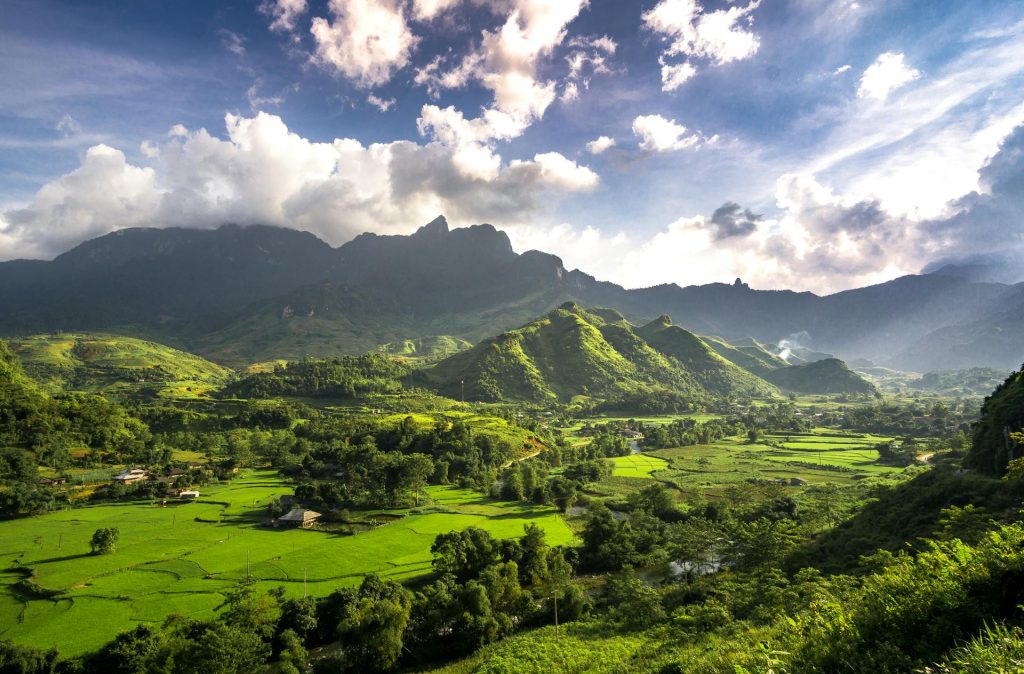
Vietnam’s mountainous regions are primarily located in the northern and central parts of the country. These areas are home to dramatic peaks, terraced rice fields, and ethnic minority communities whose traditions have thrived for centuries. The northern region, especially, stands out for hosting the Hoàng Liên Sơn Range—often called the “Tonkinese Alps”—where Fansipan, the highest peak in Vietnam and the entire Indochina Peninsula, proudly rises to 3,147 meters. This mountain attracts hikers from around the world and contributes greatly to the perception that Vietnam is a naturally rugged and scenic destination.
Aside from the north, Central Vietnam also features impressive mountainous landscapes. The Annamite Range (Trường Sơn Range) runs along the border between Vietnam and Laos, creating dramatic cliffs, dense jungles, and unique biodiversity. This region plays an important role in Vietnam’s ecological system and offers numerous national parks, such as Phong Nha – Kẻ Bàng, a UNESCO World Heritage Site famous for its extensive cave systems and lush tropical forests.
When answering the question, Does Vietnam Have a Lot of Mountains, it’s essential to highlight that nearly three-quarters of Vietnam’s terrain is made up of mountains and hills. This geographical composition has significant influence on the climate, agriculture, and settlement patterns across the country. For instance, the highland areas tend to have cooler temperatures compared to the tropical lowlands, making places like Sa Pa, Đà Lạt, and Mộc Châu popular tourist escapes during the hot summer months.
Vietnam’s mountains are not only visually stunning but also culturally meaningful. Many ethnic minority groups—such as the H’Mong, Dao, Thái, and Ê Đê—live in these regions, forming vibrant cultural mosaics. Their terraced rice fields, traditional houses, and unique customs have become iconic symbols of Vietnam’s highland culture. Tourists often visit these mountainous communities to experience homestays, trek across rice terraces, or explore local markets rich with handmade goods.
From a tourism perspective, Vietnam’s mountainous areas offer year-round activities. Trekking is one of the most popular adventures, with famous trails in Sa Pa, Hà Giang, Cao Bằng, and Lâm Đồng. Motorbike loops, such as the Hà Giang Loop, attract thrill-seekers looking to conquer winding mountain roads with breathtaking scenery. Meanwhile, the Central Highlands offer waterfalls, pine forests, and coffee plantations that appeal to both domestic and international travelers.
Ecologically, Vietnam’s mountains are crucial for biodiversity. The forests within these regions house thousands of plant and animal species, some of which are rare or endangered. National parks such as Bạch Mã, Cát Tiên, and Kon Ka Kinh protect these ecosystems while offering eco-tourism opportunities. Scientists and nature lovers often explore these areas to study wildlife or enjoy pristine landscapes far from urban centers.
The mountains also have a major impact on Vietnam’s agriculture. Crops like tea, coffee, and temperate vegetables thrive in the cooler highland climates. Đà Lạt, for example, is known as “Vietnam’s vegetable kingdom,” while the Central Highlands produce some of the world’s best coffee. The terraced rice fields of northern Vietnam not only serve as agricultural marvels but also attract photographers and travelers eager to witness the beauty of human ingenuity blended with natural topography.
In conclusion, Vietnam does indeed have a vast number of mountains, which play a fundamental role in shaping the country’s geography, culture, and tourism. These towering landscapes give Vietnam a distinctive charm and offer endless opportunities for exploration, adventure, and cultural discovery. Whether travelers seek challenging hikes, tranquil escapes, or rich ethnic heritage, Vietnam’s mountainous regions provide unforgettable experiences.